
Table of Contents
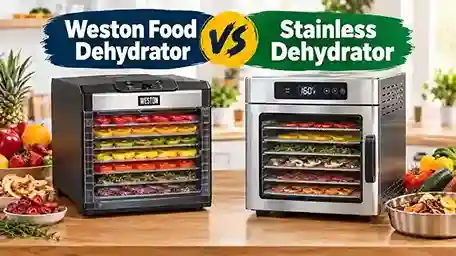
Weston Food Dehydrator vs Stainless Dehydrator Food dehydration is one of the most practical ways to preserve fruits, vegetables, herbs, meat and other foods. A good dehydrator removes moisture from food while helping preserve its flavor and making it easier to store for periods. However choosing the dehydrator can be confusing because there are many models and materials available.
Two options that often attract attention are a Weston food dehydrator and a stainless dehydrator. Weston is a known name associated with food preservation equipment while stainless dehydrators are popular because of their durable construction, easy cleaning and modern appearance.
If you are trying to decide between these two options this guide will compare their design drying performance, capacity, cleaning, durability, energy use, versatility and overall value.
What Is a Weston Food Dehydrator?
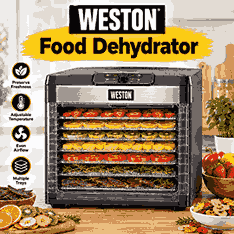
A Weston food dehydrator is designed for food preservation. Depending on the model Weston dehydrators can include drying trays, adjustable temperature controls, airflow systems and features designed for drying different types of food.
The main purpose is to circulate air around food at a controlled temperature. This gradually removes moisture without requiring cooking at temperatures.
A Weston food dehydrator can be useful for people who regularly make dried fruit, vegetables, herbs, jerky, fruit leather and other preserved foods at home.
One of the advantages of choosing a dedicated food dehydrator is that it is designed around the dehydration process rather than being a multipurpose kitchen appliance.
What Is a Stainless Dehydrator?
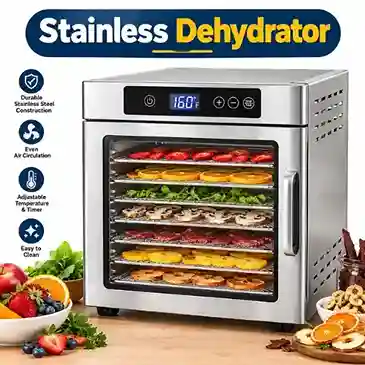
A stainless dehydrator generally refers to a food dehydrator that uses steel for some or most of its construction including trays or the cabinet.
Stainless steel is popular in kitchen appliances because it is strong, resistant to corrosion and relatively easy to clean. It can also provide a premium appearance than plastic construction.
A stainless dehydrator may be especially appealing to users who want an appliance for frequent use. Stainless-steel trays can also be useful for people who prefer a food-contact surface.
However not every stainless dehydrator is identical. Some models may have stainless-steel trays but a different exterior material while others may have a stainless-steel cabinet. Therefore it is important to check the construction and specifications of the model before buying.
Weston Food Dehydrator vs Stainless Dehydrator: Design Comparison
Design is one of the things to consider when choosing a dehydrator.
A Weston food dehydrator may have a design focused on food preservation. Depending on the model the trays and airflow arrangement can make it convenient to dry types of food.
A stainless dehydrator often has a more commercial-style appearance. Stainless steel can make the appliance feel solid and durable particularly when it is used regularly.
If appearance and long-term durability are important to you stainless construction may be attractive. If you are more concerned with food preservation features and practical operation a Weston food dehydrator may be worth considering.
Drying Performance
Drying performance is probably the important factor when comparing dehydrators.
A dehydrator needs airflow and temperature to remove moisture effectively. Uneven airflow can result in some food drying faster than pieces.
A Weston food dehydrator is designed for controlled dehydration. Can be suitable for common foods such as apples, bananas, strawberries, herbs, vegetables and meat.
A stainless dehydrator can also provide results when it has a reliable fan, appropriate temperature control and good airflow design. The stainless material itself does not automatically make a dehydrator dry food better. Performance depends more on the heating element, fan, temperature control, tray design and airflow system.
Therefore when comparing a Weston food dehydrator with a dehydrator look beyond the material and examine the actual drying technology.
Capacity and Tray Space
Capacity becomes especially important if you plan to dehydrate quantities of food.
A smaller dehydrator can be convenient for use but larger households may need several trays. If you are preparing food for storage buying produce in bulk or making large batches of jerky additional capacity can save time.
Some Weston dehydrator models are designed with trays giving users enough space for different foods at the same time.
Stainless dehydrators are also available in sizes. Some compact models are suitable for kitchens while larger units provide more tray space.
Before buying consider how food you normally prepare. A larger dehydrator may cost more. Require more storage space but it can be more practical if you regularly dehydrate large batches.
Temperature Control
Temperature control is another feature.
Different foods require drying conditions. Fruits and vegetables generally need settings from meat or delicate herbs. Having temperature control gives you greater flexibility.
A Weston food dehydrator with temperature settings can be useful for users who want to experiment with different recipes and food types.
A stainless dehydrator with temperature controls can offer similar flexibility. Again the material does not determine temperature accuracy. The quality of the thermostat and heating system is more important.
For this reason compare the temperature range and control system of the models rather than choosing based only on the word “stainless.”
Ease of Cleaning
Cleaning is a consideration because dehydrating food can leave behind sticky fruit juices, crumbs, oils or other residue.
Removable trays make cleaning easier. If trays are dishwasher-safe maintenance may be more convenient although users should always follow the manufacturers cleaning instructions.
A stainless dehydrator can be attractive from a cleaning perspective because stainless steel surfaces are generally easy to wipe down.
A Weston food dehydrator can also be easy to maintain when its trays and components can be removed for cleaning.
If you plan to use your dehydrator choose a model with easily removable trays and an interior that does not have unnecessary hard-to-reach areas.
Durability and Construction
Durability is one area where stainless construction can be particularly appealing.
Stainless steel is known for being strong and resistant to corrosion. A stainless dehydrator may therefore be a choice, for someone who expects frequent use and wants a sturdy appliance.
Weston dehydrators can also provide construction depending on the model. However the exact materials and construction can vary.
When evaluating durability check the tray material, exterior construction, door or lid design, fan quality, heating element and warranty.
A stainless exterior alone should not be the reason to choose one dehydrator over another.
Energy Consumption
A food dehydrator usually works for hours because the process of removing moisture from food takes time. Energy use can therefore be important for people who use the dehydrator often.
The amount of electricity used depends on things like how power the dehydrator uses how long it runs the temperature it operates at, how much food is being dried and how wet the food is.
A Weston food dehydrator can use amounts of electricity depending on the specific model. Similarly stainless dehydrators can have power ratings.
Of thinking one type is better than the other look at the power usage and how long each model will run when you are thinking about buying one.
Good air movement and accurate temperature settings can also help keep drying times from being longer than needed.
What Foods Can You Make?
Both kinds of dehydrators can be used for different kinds of foods.
Common choices include:
- Dried apples and bananas
- Strawberries and fruits
- Tomatoes
- Mushrooms
- Carrots
- Herbs
- Vegetable chips
- Fruit leather
- Homemade jerky
- Dried meat
- Homemade snacks
A Weston food dehydrator may be interesting for people who like to keep food fresh and make their own snacks.
A stainless dehydrator can also be flexible if it has the temperature settings, enough space for trays and good air movement.
Always use food practices when drying meat and other foods that need exact temperature control.
Weston Food Dehydrator vs Stainless Dehydrator for Jerky
Jerky is one of the common foods people make in a dehydrator.
When making jerky controlling temperature and air flow is very important. You need the machine to keep the conditions during the whole drying time.
A Weston food dehydrator can be a choice for making jerky because it is made for drying food.
A stainless dehydrator can work too especially if it has air movement and the right temperature settings.
If you plan to make jerky pay attention to the instructions from the manufacturer the temperature range, how the trays are spaced and the food safety tips.
Which One Is Easier to Use?
How easy a dehydrator is to use depends on the model.
A good dehydrator should have controls trays that can be taken out clear temperature settings and a door or lid that is easy to open.
A Weston food dehydrator may be good for people who want a tool for keeping food fresh.
A stainless dehydrator can also be easy to use especially if it has controls and a clear door that lets you watch the food without opening the machine.
If you are just starting out look for a dehydrator with controls instead of one that looks nice but is hard to use.
Which Is Better for a Kitchen?
The size of your kitchen can affect which dehydrator you pick.
A big stainless dehydrator can take up a lot of space on the counter and in storage. That may not be the choice if your kitchen is small.
A small Weston food dehydrator may be easier to store depending on the model.
If you often make a lot of dried food a bigger machine may be worth the space it takes.
Before you buy measure the space you have available. Also think about the height of the dehydrator if you want to put it in a cabinet.
Price and Overall Value
Price is a part of comparing a Weston food dehydrator and a stainless dehydrator.
A stainless model may cost more because of the materials how it is built, the size or special features.. A higher price doesn’t always mean better performance.
Weston models can also have prices based on how big they are and what features they have.
When looking at prices think about what you’re really getting. Check the number of trays how temperature is controlled, air movement, materials, warranty, controls and how easy it is to clean.
If you use a dehydrator once in a while a simple model may be enough. If you use it often a bigger and more durable one might be worth the cost.
Pros and Cons of a Weston Food Dehydrator
Pros
- Made specifically for drying food
- for fruits, vegetables, herbs and other foods
- Useful for making snacks and keeping food fresh
- Available in different sizes and setups
- Practical for people who dry food often
Cons
- Some models have plastic parts
- Bigger models need more storage space
- It takes a time to run
- Features can be different between models
Pros and Cons of a Stainless Dehydrator
Pros
- Strong stainless-steel build on many models
- Easy to clean
- Looks good in the kitchen
- Good for everyday use
- Available in different sizes and setups
Cons
- Some stainless models can be expensive
- Stainless steel doesn’t always mean better drying
- Bigger models take up more space
- Air movement and features can be different between brands
Weston Food Dehydrator vs Stainless Dehydrator: Which Should You Choose?
The best choice depends on what you care about most.
If you want a machine that’s good for keeping food fresh a Weston food dehydrator can be a good option. It can be especially good, for people who often make dried fruit, vegetables, herbs, snacks or jerky.
If you want a machine that’s strong made of stainless steel and easy to clean a stainless dehydrator might be better.
Don’t just pick based on the brand or the material. Look at the details of the models you are thinking about. Check the temperature control, air movement, tray space build, ease of cleaning, warranty and how energy it uses.
Final Verdict
The comparison between a Weston food dehydrator and a stainless dehydrator does not have an answer because different people have different needs.
A Weston food dehydrator can be a choice for people who want a dedicated food‑preservation appliance with useful dehydration features. A stainless dehydrator can be attractive, for users who value build easy cleaning and a nicer design.
If you do dehydration sometimes focus on simplicity, size and price. If you dry food often pay attention to capacity, airflow, temperature control, durability and ease of maintenance.
Before buying compare the specifications of the models instead of relying only on the brand name or stainless‑steel construction. The best value comes from picking a dehydrator that fits the amount of food you make the foods you want to dry the kitchen space you have and your budget.
Whether you choose a Weston food dehydrator or a stainless dehydrator a well‑designed appliance can make it much easier to prepare dried foods and to preserve seasonal ingredients for later use.

1 Comment
[…] Which One Should You Buy? […]